
Lawn fertilization and weed control are vital components of Lawn Care and Landscaping. Understanding macronutrients, grass species needs, and soil analysis ensures effective fertilization with eco-friendly options. Weeds can be managed through manual weeding, selective herbicides, proper mowing, and organic practices like mulching. A balanced approach during active growth periods maximizes lawn health and aesthetics. Common mistakes to avoid include inconsistent watering and neglect of weed control. Implementing strategic timings and customized plans enhances the overall Lawn Care and Landscaping experience.
Lawn fertilization and weed control are essential components of any comprehensive lawn care and landscaping strategy. A lush, healthy grass not only enhances the aesthetics of your outdoor space but also contributes to its overall resilience. This article guides you through understanding the fundamentals of lawn fertilization, selecting the ideal fertilizer for your needs, implementing effective weed control strategies, and synchronizing these practices for optimal lawn health. We’ll also highlight common mistakes to avoid, ensuring your lawn thrives in a competitive environment.
- Understanding Lawn Fertilization: The Basics
- Choosing the Right Fertilizer for Your Lawn
- Effective Weed Control Strategies
- Integrating Fertilization and Weed Control for Optimal Lawn Health
- Timing: When to Apply Fertilizer and Control Weeds
- Common Mistakes to Avoid in Lawn Care and Landscaping
Understanding Lawn Fertilization: The Basics
Lawn fertilization is a critical component of effective lawn care and landscaping, providing essential nutrients to promote lush, green grass. Understanding the basics of fertilization is key to achieving a healthy, vibrant lawn that can thrive in any climate or soil condition. The process involves applying specific amounts of nitrogen, phosphorus, and potassium—the primary macronutrients required for plant growth—to meet the unique needs of different grass species.
Proper timing and application methods are equally important. Fertilizer types vary based on composition and release rates, with slow-release options offering sustained benefits over time. Regular fertilization schedules, often recommended by lawn care professionals, ensure that lawns receive adequate nutrition throughout the growing season. This not only enhances aesthetics but also strengthens grass against weeds and environmental stresses, contributing to overall lawn health and durability in lawn care and landscaping practices.
Choosing the Right Fertilizer for Your Lawn
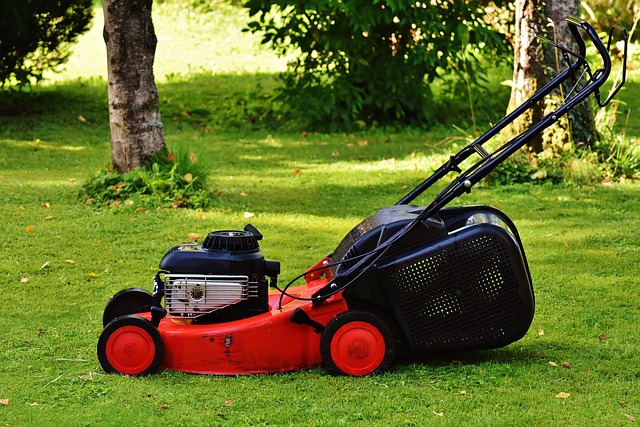
When it comes to nurturing your lawn, selecting the appropriate fertilizer is a strategic move that forms part of an effective lawn care and landscaping routine. The right choice depends on several factors, including grass type, soil analysis, and climate conditions. Understanding these variables allows you to tailor your approach for optimal results. For instance, some fertilizers are designed specifically for warm-season grasses like Bermuda or Zoysia, while others cater to cool-season varieties such as Kentucky Bluegrass or Fescues.
Additionally, modern lawn care practices encourage eco-friendly options and slow-release fertilizers that minimize environmental impact. These responsible choices ensure your lawn receives consistent nutrition without contributing to water pollution. By aligning your fertilization strategy with the unique needs of your grass and the local ecosystem, you contribute to a healthier, more sustainable lawn—a key aspect of successful lawn care and landscaping ventures.
Effective Weed Control Strategies
Weed control is a critical aspect of lawn care and landscaping, ensuring your garden stays healthy and vibrant. The first step in effective weed management is identifying the specific types of weeds infesting your lawn. Different weeds require distinct approaches for removal, so understanding their characteristics is key. For instance, some weeds grow close to the ground and can be controlled through manual weeding or selective herbicidal treatments. Others might be more pervasive and necessitate a multi-pronged strategy involving regular mowing, proper watering, and targeted applications of weed killers.
Incorporating organic methods into your lawn care routine can also contribute to long-term weed control. Applying a thick layer of mulch around plants and trees chokes out weeds by blocking sunlight penetration. Regular aeration improves soil structure, allowing for better water absorption and root growth, which can naturally suppress weed growth. Additionally, fostering a healthy grass cover through consistent fertilizing creates a competitive environment, making it harder for weeds to thrive.
Integrating Fertilization and Weed Control for Optimal Lawn Health
In the realm of lawn care and landscaping, integrating fertilization and weed control is a symphony of efforts that cultivates lush, healthy grass. Fertilization provides essential nutrients to fuel growth, while meticulous weed control prevents unwelcome guests from stealing resources. A well-timed, balanced fertilization schedule encourages robust root systems and vibrant foliage, creating an environment hostile to weeds. By addressing both aspects holistically, you not only achieve a visually appealing lawn but also ensure its longevity.
This dual approach requires strategic planning and regular monitoring. Understanding your lawn’s unique needs, including soil type, climate, and grass species, is crucial. Customized fertilization plans cater to these variables, ensuring the application of suitable nutrients at optimal times. Similarly, effective weed control methods range from cultural practices like manual weeding and proper watering to chemical treatments, all chosen with care to minimize environmental impact and maintain ecological balance.
Timing: When to Apply Fertilizer and Control Weeds
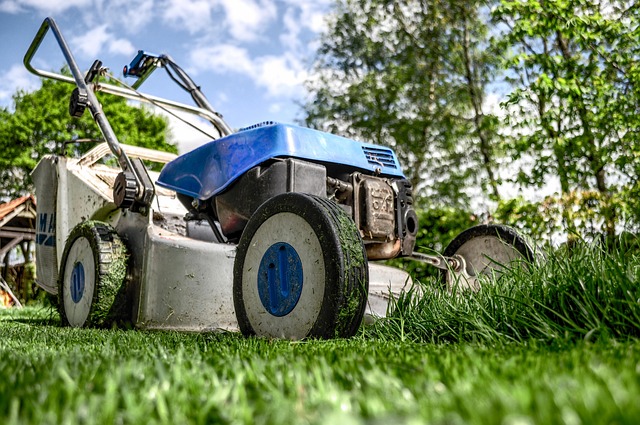
The timing of lawn fertilization and weed control is crucial for achieving optimal results in lawn care and landscaping. For fertilizers, the best time to apply them is during the active growth period of your grass, typically in the early spring and late summer or early fall. These are the seasons when warm temperatures and adequate rainfall encourage robust growth, making it easier for nutrients to be absorbed by the roots. Avoiding fertilization during hot summers or cold winters helps prevent excessive growth and potential damage from frost or heat stress.
As for weed control, it’s essential to target them when they’re most vulnerable, which is often in the early spring or fall. Weeds tend to flourish under specific conditions, and understanding their life cycles is key to effective management. Applying herbicides during these transitional periods can disrupt their growth patterns while minimizing harm to your lawn and surrounding ecosystem. Regularly monitoring your lawn and taking prompt action against weeds ensures a healthier, more vibrant landscape.
Common Mistakes to Avoid in Lawn Care and Landscaping
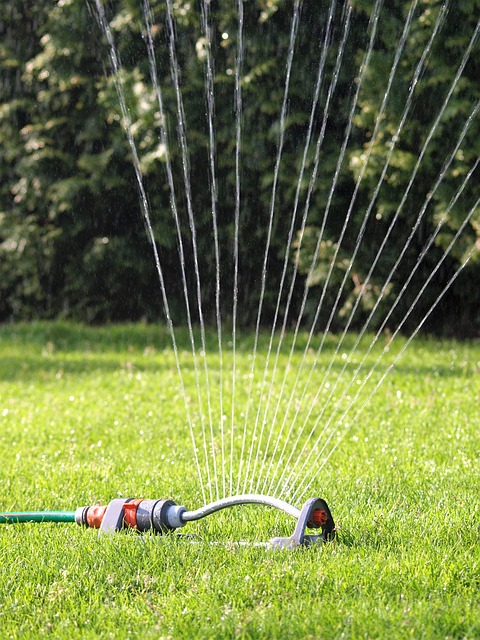
When it comes to lawn care and landscaping, many homeowners make avoidable mistakes that can hinder their grass’s growth and overall health. One common error is inconsistent watering, which can lead to either over- or under-saturation. It’s crucial to establish a regular watering schedule tailored to your climate and grass type, ensuring deep yet infrequent waterings during cooler parts of the day.
Another frequent mistake is neglecting weed control. Weeds not only mar the aesthetic appeal of your lawn but also compete with grass for essential nutrients and water. Implementing a comprehensive weed management strategy, including regular mowing, topical herbicides, or cultural practices like planting competitive grass species, can prevent these unwelcome intruders from taking over.
In the realm of lawn care and landscaping, mastering fertilization and weed control is a game-changer. By understanding the basics of fertilization, choosing the right products, implementing effective weed strategies, and timing applications, you can transform your lawn into a lush, vibrant symphony. Avoid common mistakes to ensure optimal lawn health and enhance your outdoor space into a stunning, well-maintained oasis.